
Exploring My Digital Art Portfolio: Behind the Scenes

Creating a digital art portfolio is not just about showcasing finished pieces; it’s a journey filled with creativity, experimentation, and personal growth. In this blog post, I will take you behind the scenes of my digital art portfolio, sharing insights into my creative process, the tools I use, and the stories behind some of my favorite pieces. Whether you are an aspiring artist or simply curious about the world of digital art, I hope you find inspiration and practical tips that resonate with you.

Understanding My Creative Process
Every artist has a unique approach to creativity, and mine is no exception. My process typically involves several stages:
Inspiration Gathering
I draw inspiration from various sources, including nature, architecture, and even everyday objects. I often keep a sketchbook handy to jot down ideas or create quick sketches that capture my thoughts.
Concept Development
Once I have a solid idea, I begin to develop the concept further. This stage involves brainstorming and refining the initial idea, often leading to multiple iterations before settling on a final direction.
Sketching and Drafting
I start with rough sketches to visualize the composition. This is a crucial step as it allows me to experiment with different layouts and elements without committing to a final design.
Digital Rendering
After finalizing the sketch, I move to digital rendering. I use software like Adobe Photoshop and Procreate to bring my ideas to life. This stage is where I focus on color, texture, and detail.
Feedback and Revisions
Sharing my work with peers and mentors is essential. Constructive feedback helps me refine my pieces and often leads to unexpected improvements.
Final Touches
The last step involves adding final touches, such as highlights and shadows, to enhance depth and dimension. This is where the artwork truly comes alive.
Tools of the Trade
Having the right tools can significantly impact the quality of your work. Here are some of the essential tools I use in my digital art practice:
Digital Tablet
A high-quality tablet is crucial for precision and control. I use a Wacom tablet, which allows me to draw directly onto the screen, making the process feel more natural.
Software
My go-to software includes Adobe Photoshop for detailed illustrations and Procreate for more spontaneous sketches. Each program has its strengths, and I often switch between them based on the project.
Brushes and Textures
Custom brushes can add unique effects to my artwork. I spend time creating or downloading brushes that suit my style, whether for painting, inking, or adding textures.
Color Palettes
I often create color palettes that resonate with the mood of the piece. Tools like Adobe Color help me experiment with different combinations until I find the perfect fit.
Highlights from My Portfolio
Now, let’s take a closer look at some of my favorite pieces from my portfolio. Each artwork has its own story and significance.
Piece 1: "Ethereal Dreams"
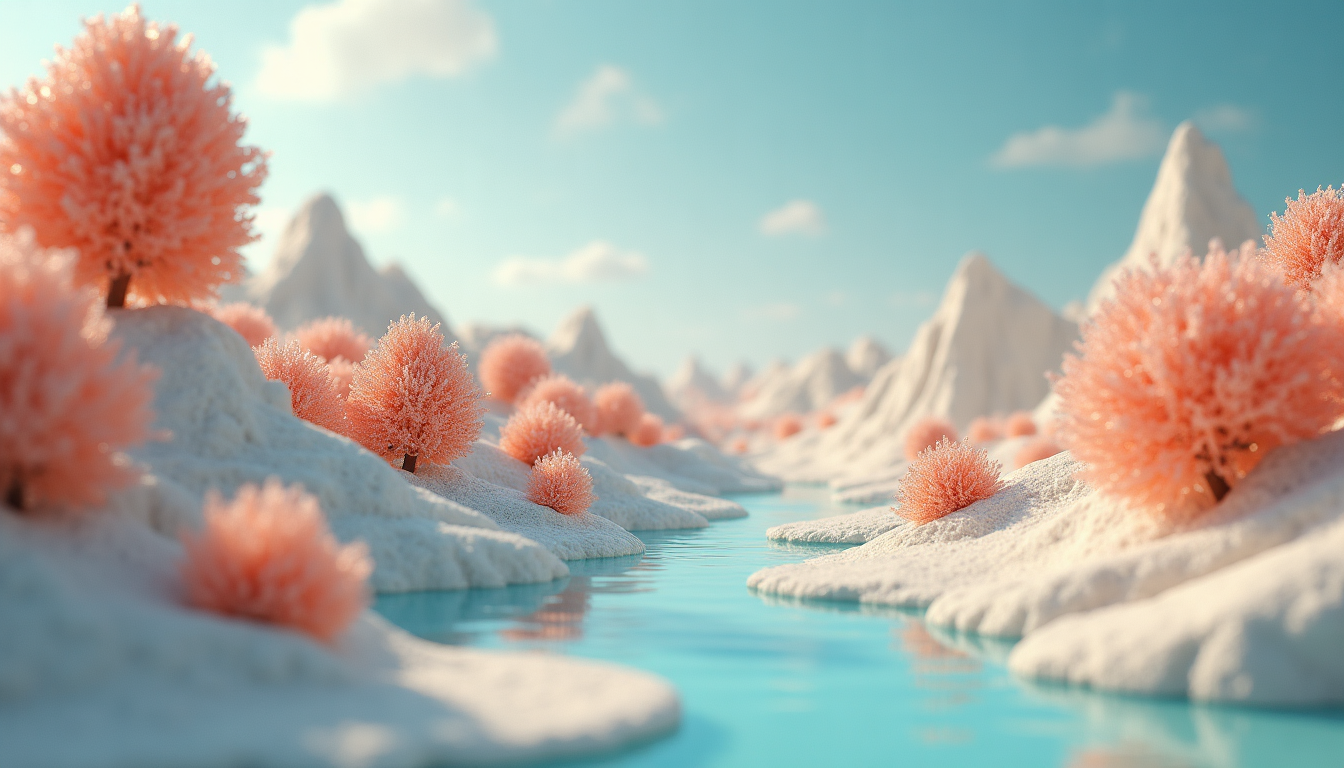
This piece represents my exploration of surrealism. I wanted to create a dreamlike landscape that invites viewers to lose themselves in its depths. The use of soft colors and flowing shapes reflects a sense of tranquility.
Inspiration: I was inspired by the concept of dreams and how they can transport us to other worlds.
Process: The initial sketch was a chaotic blend of shapes, which I refined into a more cohesive composition. The digital rendering involved layering textures to create depth.
Piece 2: "Urban Jungle"
"Urban Jungle" is a vibrant piece that juxtaposes nature with urban life. It reflects my fascination with how nature can thrive in unexpected places.
Inspiration: A walk through a city park sparked the idea for this piece. I noticed how plants and wildlife adapt to urban settings.
Process: I started with a detailed sketch of the cityscape, then integrated elements of nature. The final rendering involved bright colors to emphasize the contrast.
Piece 3: "Reflections"
This artwork focuses on the theme of introspection. It features a figure gazing into a body of water, symbolizing self-reflection and the search for identity.
Inspiration: The concept came from my personal experiences and the importance of taking time to reflect.
Process: The sketch was straightforward, but the rendering required careful attention to light and shadow to create a realistic water effect.
The Importance of Community
Being part of an artistic community has been invaluable to my growth as an artist. Engaging with fellow artists allows for the exchange of ideas, techniques, and constructive criticism. Here are a few ways to connect with other artists:
Online Forums and Groups
Platforms like DeviantArt and ArtStation provide spaces for artists to share their work and receive feedback.
Social Media
Sharing my art on platforms like Instagram has helped me connect with a broader audience and receive encouragement from fellow creatives.
Local Art Groups
Joining local art groups or attending workshops can foster relationships with artists in your area, leading to collaborative projects and exhibitions.
Tips for Aspiring Digital Artists
If you’re just starting your journey in digital art, here are some practical tips to help you along the way:
Practice Regularly
Consistency is key. Set aside time each week to practice and experiment with new techniques.
Don’t Fear Mistakes
Mistakes are part of the learning process. Embrace them as opportunities to grow and improve.
Seek Feedback
Share your work with others and be open to constructive criticism. It can provide valuable insights that you might not see on your own.
Explore Different Styles
Experimenting with various styles can help you discover your unique voice as an artist. Don’t be afraid to step outside your comfort zone.
Stay Inspired
Surround yourself with inspiration. Follow artists you admire, visit galleries, and immerse yourself in different art forms.
Conclusion
Creating a digital art portfolio is a rewarding journey filled with creativity and self-discovery. By understanding my creative process, utilizing the right tools, and engaging with the artistic community, I have been able to develop my skills and express my vision. I hope this behind-the-scenes look at my portfolio inspires you to explore your own artistic journey. Remember, every artist starts somewhere, and with dedication and passion, you can create something truly remarkable.
Now, it’s your turn. Grab your tools, find your inspiration, and start creating!
Comments